
I was going to start this post with a huge explanation of where I have been recently – and by recent I mean nearly 2 years! But I decided the simplest explanation often works better so here we go- I promise I’ll get onto the history after this.
I simply fell out of love with the page and the Instagram and I needed space to fall back in love with posting. I needed space to fall back in love with history and remember why I began the page in the first place! Not for likes or followers but as as a place to express my love of history and all the things I find wonderful, beautiful, scary, horrific and fascinating about the past. So, here I am, back again and ready to begin writing again! Read below for a little historical stop off my boyfriend and I went on this summer in Scotland!

This summer for my birthday, my boyfriend and I decided to embark on a mini North Coast 500 so we picked up the Jeep from Inverness and away we went! I hasten to add that we were camping and the Jeep was both our home for the week with its marvellous rooftop tent and our ticket to sightsee.
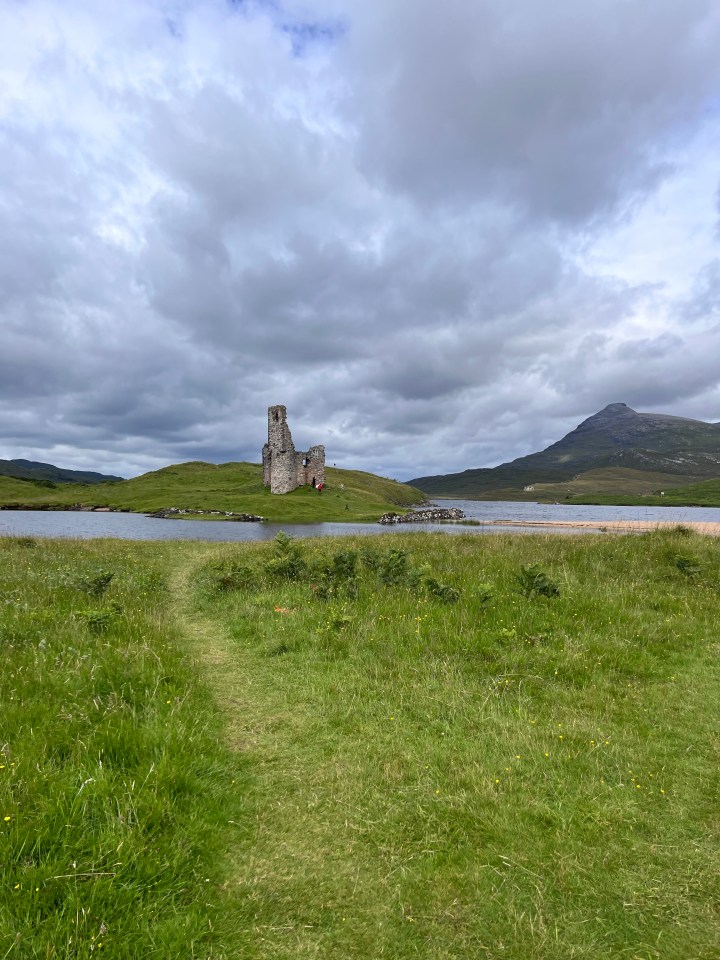
Whilst we (the royal we, I was a passenger princess the whole time) were driving from Skye and up the West Coast, we stumbled across the castle you see in the photo above and just before that, the ruins of an old house. Full of the joys of spring I let out an exclamation of delight and demanded we get out and have a little explore- helpfully I say all this after we have driven past the turn off to the car park. So my boyfriend dutifully checks the road for cars and reverses back to the car park where we thankfully find a little spot in between the caravans and other holiday makers.
So what is this castle?! Well this is Ardvrek and, like the picture suggests it’s a small castle but one with a punchy history.
The castle was built by the MacLeods of Assynt (Angus Mor III) in the later half of the 15th century and began as a relatively simple castle. It is believed to have been a simple rectangular block at the beginning and only about three or four stories tall! It wasn’t until around a century later when Donald Ban IX came along that the castle was enhanced to the style of the day. He added the tower, vaulted cellars and a vault over the great hall on the first floor. However even after these renovations, the castle was still quite small, requiring out buildings to house the kitchens and servants quarters.
According to history, Ardvrek castle was the scene of much violence. There were murdered, sieges and executions and most notably, the imprisonment of the royalist James Graham, the 1st Marquess of Montrose in 1650. This capture and imprisonment followed the Battle of Carbisdale where James and his royalist soldiers were defeated by the government troops. He subsequently surrendered to Neil MacLeod of Assynt and was taken to Ardvrek where he was held as prisoner before his arrest. However the accounts of this event differ with one account saying MacLeod initially provided James with shelter and comfort, only to betray him for a £25,000 reward.
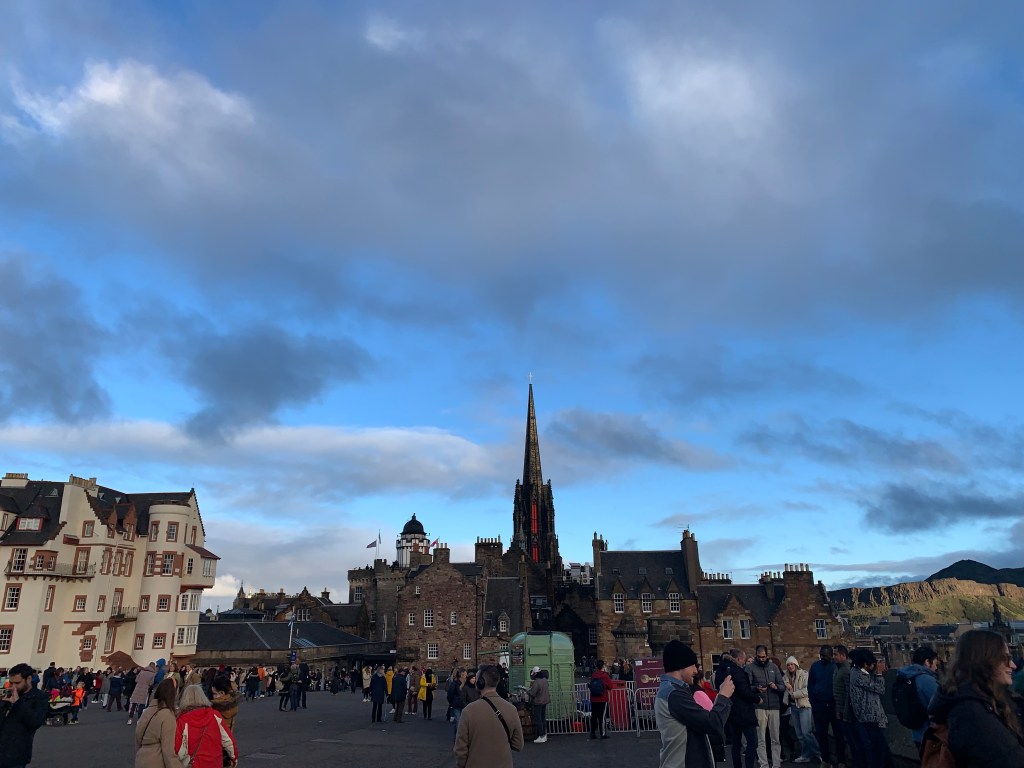
What happened to James Graham? Well, it didn’t end well for him. He was subsequently brought to Edinburgh and sentenced to death and later hanged. His head was later removed and stood on a spike of the Old Tolbooth outside St Giles’ Cathedral from 1650 until 1661.
However all wasn’t well for the MacLeods following the events described above. Shortly after, the MacLeods were driven out of Ardvrek castle by Clan Mackenzie in 1672 following a 14 day siege. In 1726 the Mackenzies also built Calda House which stands on the shore near to Ardvrek Castle as Frances, the wife of Kenneth Mackenzie, did not like the austere nature of the castle. However due to Frances’a extravagant spending and supporting the Royalist cause, the Mackenzies soon fell into debt and after 10 years incurred financial ruin.
Both the house and castle are sadly ruined now but no less beautiful! The castle was destroyed in 1795 by lightning and the house in 1737 by a fire.
The videos and photos don’t do this place justice in terms of scenic beauty and the atmospheric nature of the place. It’s a beautiful but gloomy location and does retain an element of the austere nature described by Frances Mackenzie. However it is a must if you ever do the NC500 and want a small dollop of history on your trip. Failing that, if you’re anything like us and love skimming stones it’s a great place for that too! Just make sure you’re wearing waterproof footwear as getting to the castle does involve a bit of splashing through the loch.
I hope you enjoyed that post and return to the written blog! I’ll be back with more stories of the NC500 most likely very shortly!
 Historia Mundis
I need to go here!!!
LikeLike